Description
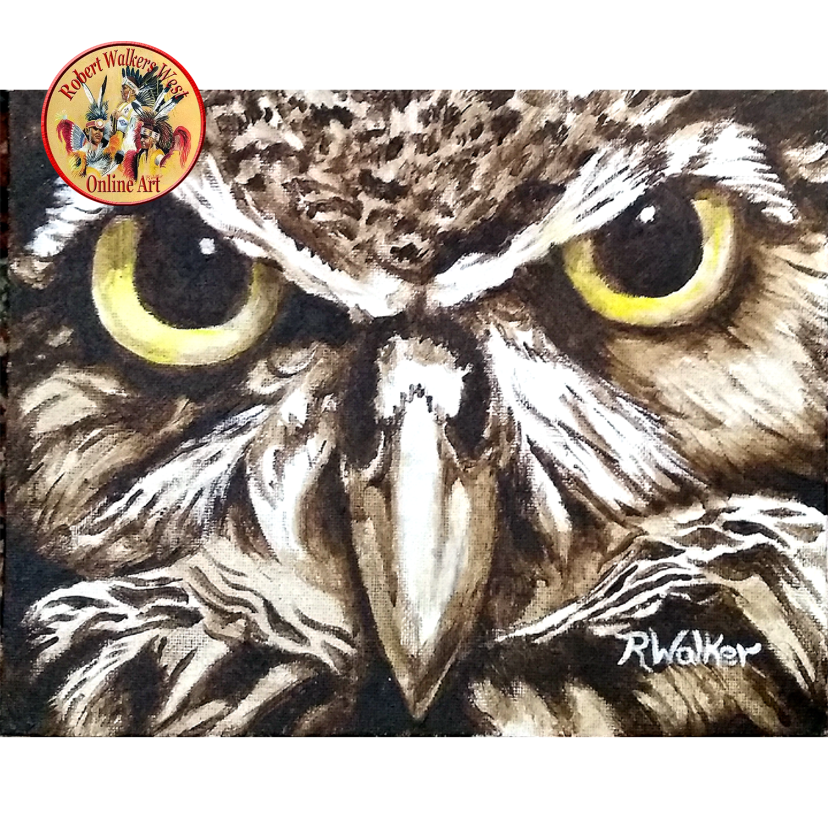
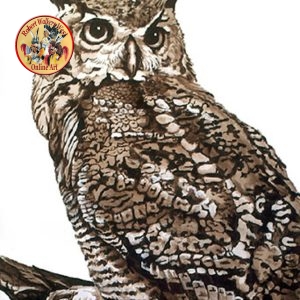
“Owl Eyes” is an 8 X 10 inch acrylic mono-color painting on a canvas board. This again is one of many paintings that I do to fill in between major projects. If you have a “Gallery Wall” in your home, this would be a great addition to it.

$125.00
“Owl Eyes” is an 8 X 10 inch acrylic mono-color painting on a canvas board. This again is one of many paintings that I do to fill in between major projects. If you have a “Gallery Wall” in your home, this would be a great addition to it.
International Shipping: If you are outside the U.S., please contact us directly for a shipping quote.
1 in stock
“Owl Eyes” is an 8 X 10 inch acrylic mono-color painting on a canvas board. This again is one of many paintings that I do to fill in between major projects. If you have a “Gallery Wall” in your home, this would be a great addition to it.
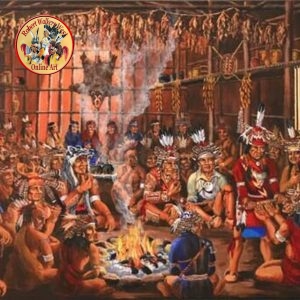
The Tuscarora Adoption Ceremony
In late 17th and early 18th-century North Carolina, colonists reported two primary branches of the Tuscarora. Varying accounts circa 1708-1710 estimated the number of Tuscarora warriors as from 1200-2000.
The Tuscarora had to deal with more numerous colonists’ encroaching on his community. They raided his villages, kidnapped the people to be sold into slavery, suffered substantial population losses after exposure to the infectious diseases of the Europeans. By 1711, the Tuscarora Chief Hancock believed he had to attack the settlers to fight back. The Indian tribes attacked, killing hundreds of settlers, including several key political figures among the colonists.
The North Carolina militia, and allied Native Americans, attacked the Tuscarora in 1712 and 1713.the Tuscaroras were defeated in the battle of 1713, and 1500 Tuscarora fled to New York to join the Iroquois Confederacy. The Haudenosaunee (Iroquois) Five Nations of New York were more than happy to accommodate their distant cousins as the “Sixth Nation”, and in 1722 adopted them into their Confederacy.
This is the premise around which the “Tuscarora Adoption Ceremony” was created.
The size of the original is 36 X 40 and is painted on stretched canvas.
$1500
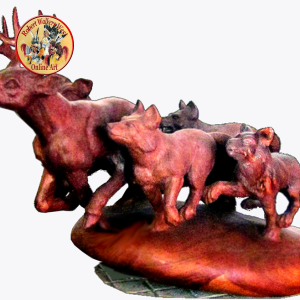
“The Chase”
This woodcarving was carved from a single wild cherry tree. The trunk was sawed into 5 inch planks, kiln dried, surfaced, then reassembled into a 14 X 16 X 24 inch carving block
The actual carving began in July of 1995, and was completed in early November of that year.
I entered the carving in the Dayton Woodcarving Show, it was accepted, and won a blue ribbon in the competition.
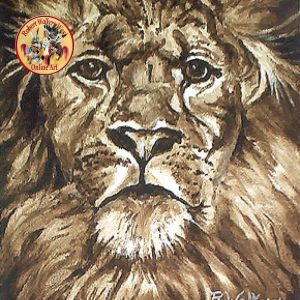
“Lion” SKU-AN06
Occasionally I’ll have a void on my easel and nothing in my head, (The empty head happens a lot lately) so if I have some empty canvas/board around the studio, I’ll start painting.
Description:
It’s an original acrylic painting on an 8 X 10 canvas board and is designed to fit any standard 8 X 10 frame. If you have a “Gallery Wall” in your home, this would be a great addition to it.
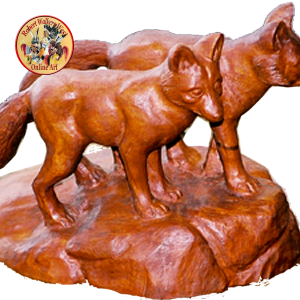
Back in the late nineties, I was into wood carving, “Big Time”!!! “Fox Cubs” is one of a very few carvings that still remain in inventory. It is carved from the wood that “The Chase” was. This might be your last chance to purchase a Robert Walker original wood carving.
Final Approach
This is a pair of Sandhill Cranes coming in on the “Final Approach” for a landing. This original pencil drawing is 15X15 inches and is drawn on archival paper. The size of the framed piece is 22X24 inches The pencil drawing has been double matted in grays, and backed with Foam-core. It is framed in black metal, and covered in non-glare glass.
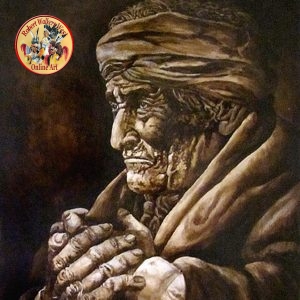
Geronimo was a Bedonkohe Apache leader of the Chiricahua Apache, who led his people’s defense of their homeland against the military might of the United States.
“Geronimo”
Geronimo was an Apache leader who continued the tradition of the Apaches resisting white colonization of their homeland in the Southwest, participating in raids into Sonora and Chihuahua in Mexico. After years of war, Geronimo finally surrendered to U.S. troops in 1886. While he became a celebrity, he spent the last two decades of his life as a prisoner of war.
This 16 X 20 mono-color painting is of Geronimo in his last years, maybe thinking of his days in Arizona, fighting for his tribal lands.
Downies
Occasionally I’ll have a void on my easel and nothing in my head, (The empty head happens a lot lately) so if I have some empty canvas/board around the studio, I’ll start painting.
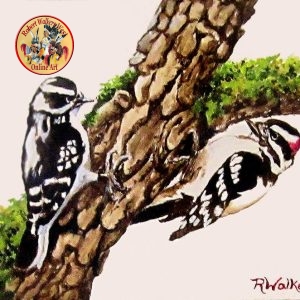
This one turned out to be “Downies”. It’s an original acrylic painting on an 8 X 10 canvas board, and is designed to fit any standard 8 X 10 frame. If you have a “Gallery Wall” in your home, this would be a great addition to it.
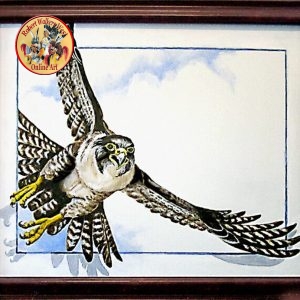
I created this original acrylic painting several years ago, just to see if I could. It is a Peregrine Falcon that uses the Trompe’ style that creates the illusion that it is flying out of its’ frame. I’m not sure how successful I was, but here it is.
This is an acrylic painting on a gallery-wrapped 16X20 canvas. It has been framed, but perhaps it might be better if the frame was removed and hung as it is.
Mourning Doves
This is “Mourning Doves”. It’s an original acrylic painting on an 8 X 10 gallery-wrapped canvas and can be hung without a frame. It isdesigned to fit any standard 8 X 10 frame. If you have a “Gallery Wall” in your home, this would be a great addition to it.
“Hootie”
“Hootie” is an original mono-color acrylic on a 16X20 inch gallery-wrapped canvas. It has been wired and is ready to be hung on your wall.
This painting draws the most attention when hung in a show.
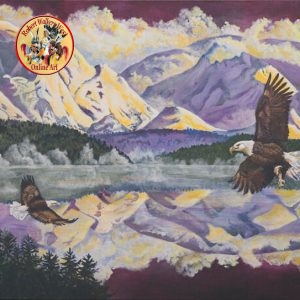
The Eagles of Kachemak Bay in Alaska congregate in this area due to the fact that the lakes of their ‘home territories’ are frozen over. They assemble at this location to feast on the waterfowl that congregate here as well as for the fish in the bay.
This acrylic painting of Bald Eagles in flight over Kachemak Bay, Alaska, is an original acrylic painting on a 36 X 24 inch canvas, and is gallery-wrapped.
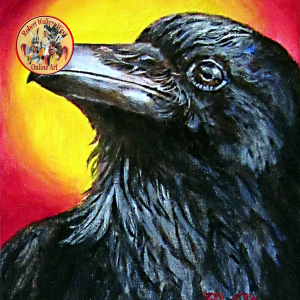
“Quoth the Raven”
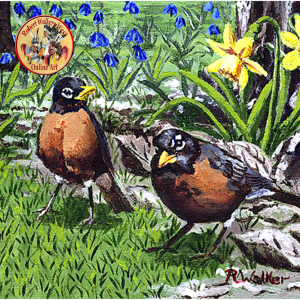
This is an acrylic original on an 8X10 canvas board. Over the years, I have painted a variety of 8X10 original bird pairs. You will find other of these originals scattered throughout this Gallery. Eventually I plan to release prints of these in “Collections” under the name “Birds of the Air”. The Collections that will be available sometime in the future. This is one of the originals. All of these originals will fit a standard 8X10 frame of your choosing.
Select at least 2 products
to compare


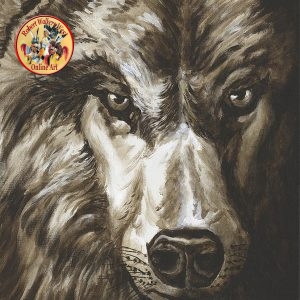 "Grandma What Big Eyes You Have!!!"
Reviews
There are no reviews yet.