Original Artwork

$1,500.00

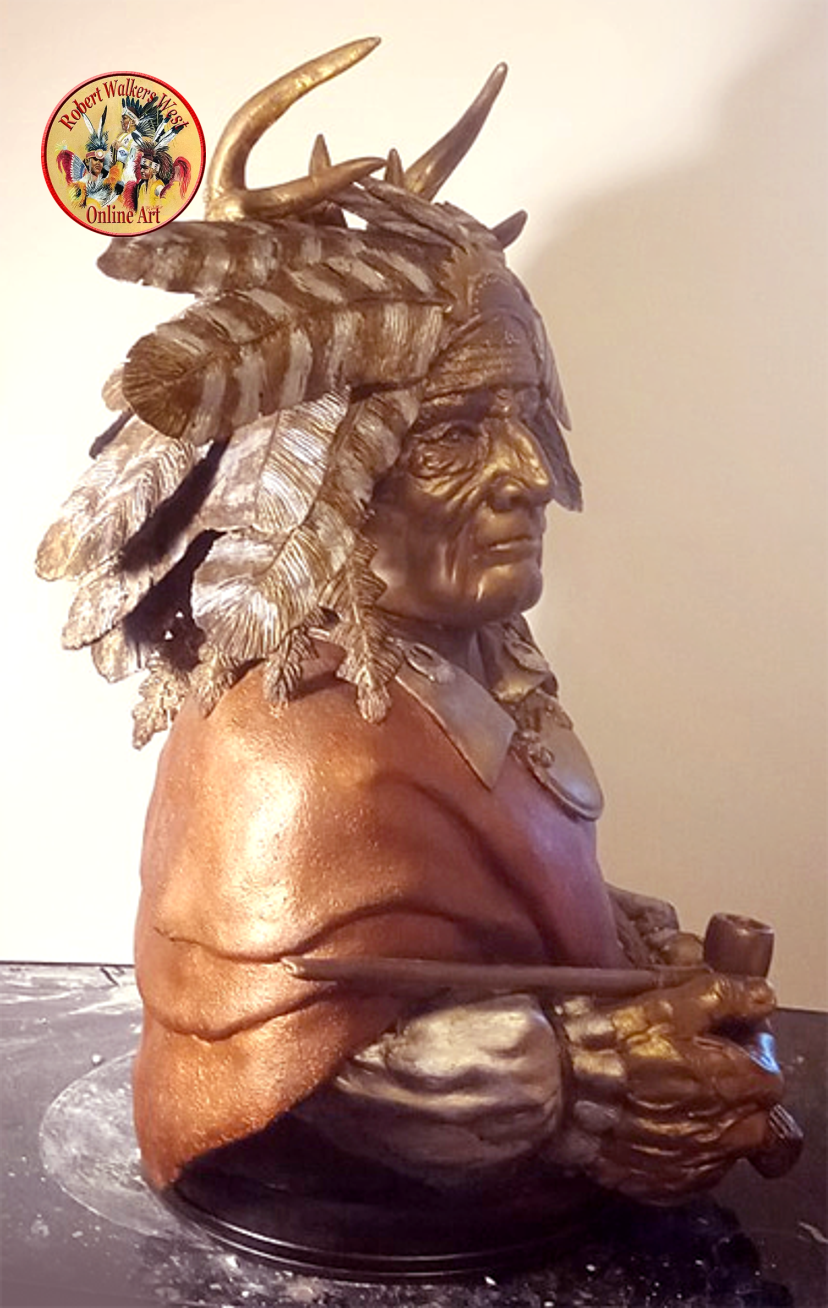
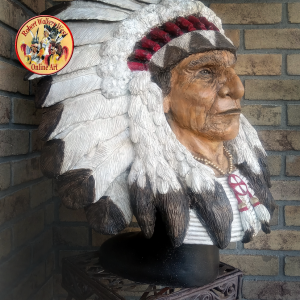
“Pucksinewah” (Shawnee War Chief) 15298823

Puckshinwa “Shawnee War Chief”
Puckshinwa, meaning “alights from flying”, was a Shawnee War Chief of the Kispoko during Pontiac’s Rebellion.
Pucksinewah was father to Tecumseh, a Shawnee chief and warrior who promoted resistance to the expansion of the United States onto Native American lands. A persuasive orator, Tecumseh traveled widely, forming a Native American Confederacy and promoting intertribal unity. Even though his efforts to unite Native Americans ended with his death in the War of 1812, he became an iconic folk hero in American, Indigenous, and Canadian popular history.
Puckshinwa “Shawnee War Chief”
Puckshinwa, meaning “alights from flying”, was a Shawnee War Chief of the Kispoko during Pontiac’s Rebellion.
Pucksinewah was father to Tecumseh, a Shawnee chief and warrior who promoted resistance to the expansion of the United States onto Native American lands. A persuasive orator, Tecumseh traveled widely, forming a Native American Confederacy and promoting intertribal unity. Even though his efforts to unite Native Americans ended with his death in the War of 1812, he became an iconic folk hero in American, Indigenous, and Canadian popular history.

International Shipping: If you are outside the U.S., please contact us directly for a shipping quote.

Category:
Description

Description

Puckshinwa “Shawnee War Chief”
Puckshinwa, meaning “alights from flying”, was a Shawnee War Chief of the Kispoko during Pontiac’s Rebellion.
Pucksinewah was father to Tecumseh, a Shawnee chief and warrior who promoted resistance to the expansion of the United States onto Native American lands. A persuasive orator, Tecumseh traveled widely, forming a Native American Confederacy and promoting intertribal unity. Even though his efforts to unite Native Americans ended with his death in the War of 1812, he became an iconic folk hero in American, Indigenous, and Canadian popular history.
Puckshinwa “Shawnee War Chief”
Puckshinwa, meaning “alights from flying”, was a Shawnee War Chief of the Kispoko during Pontiac’s Rebellion.
Pucksinewah was father to Tecumseh, a Shawnee chief and warrior who promoted resistance to the expansion of the United States onto Native American lands. A persuasive orator, Tecumseh traveled widely, forming a Native American Confederacy and promoting intertribal unity. Even though his efforts to unite Native Americans ended with his death in the War of 1812, he became an iconic folk hero in American, Indigenous, and Canadian popular history.

Reviews (0)

Reviews

There are no reviews yet.

Be the first to review ““Pucksinewah” (Shawnee War Chief) 15298823”

Your email address will not be published. Required fields are marked *

More Products

“Counting Coupe”

$750.00

“Counting Coupe”
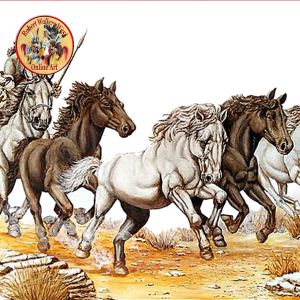
Among the Plains Indians of North America, counting coup involved the winning of prestige against an enemy. Native American warriors won prestige by acts of bravery in the face of the enemy, which could be recorded in various ways and retold as stories. Any blow struck against the enemy counted as a coup, but the most prestigious acts included touching an enemy warrior with a hand, bow, or coup stick.
Counting coup could also involve stealing an enemy’s horses tied up to his lodge in camp. Risk of injury or death was required to count coup. Escaping unharmed while counting coup was considered a higher honor than being wounded in the attempt.
After a battle or exploit, the people of a band would gather together to recount their acts of bravery and “count coup”.

“Where Eagles Fly”

$750.00

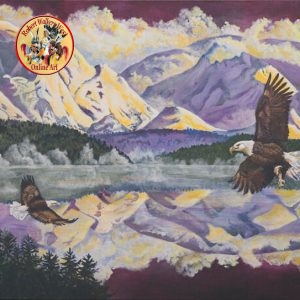
The Eagles of Kachemak Bay in Alaska congregate in this area due to the fact that the lakes of their ‘home territories’  are frozen over.  They assemble at this location to feast on the waterfowl that congregate here as well as for the fish in the bay.
This acrylic painting of Bald Eagles in flight over Kachemak Bay, Alaska, is an original acrylic painting on a 36 X 24 inch canvas, and is gallery-wrapped.

“To the Victor Go the Sorrels”

$550.00

“To the Victor Go the Sorrels”
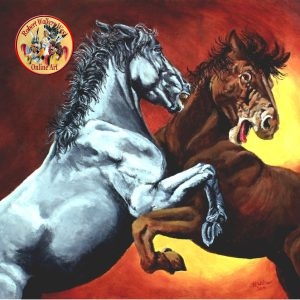
Each herd typically has a dominant stallion referred to as the “herd stallion” and a few other less dominant stallions. Interestingly, each herd is led not by the dominant stallion but by a dominant mare. This is similar to the way we humans do things.
This original acrylic painting by Robert Walker is on a 16X20 gallery-wrapped canvas.

“Catch of the Day”

$650.00

“Catch of the Day”
The American Bald Eagle (Haliaeetus leucocephalus) is a majestic bird of prey and the national symbol of the United States. Known for its striking white head and tail feathers, the bald eagle is a powerful and skilled hunter, particularly adept at fishing.
Bald eagles have eyesight that is four to eight times sharper than that of humans. This incredible vision allows them to spot fish swimming beneath the water’s surface from great heights.
Bald eagles often hunt by soaring high above water bodies, scanning for fish. Once they spot a target, they dive at high speeds, extending their talons forward to grab the fish just below the water’s surface.
This sculpture is of a Bald Eagle at the moment it snatches a fish from the water.
The piece is the original and sculpted in two-part epoxy, is approximately 16 inches high with a radius of 14 inches, and has a built in turntable so it can be rotated without sliding it on your furnature.

“Hunters Moon”

$450.00

Hunters Moon
The full moon that appears in October is called the Hunters Moon. The first moon after the Harvest Moon is the Hunters Moon, so named as the preferred month to hunt summer-fattened deer and fox unable to hide in now bare fields. Like the Harvest Moon, the Hunters Moon is also particularly bright and long in the sky, giving hunters the opportunity to stalk prey at night. Probably because of the threat of winter looming close, the “Hunters Moon” is generally accorded with special honor, historically serving as an important feast day in both Western Europe and among many Native American tribes.
“Hunter’s Moon” is an original acrylic painting on a 16 X 20 inch panel.