Original Artwork

$750.00

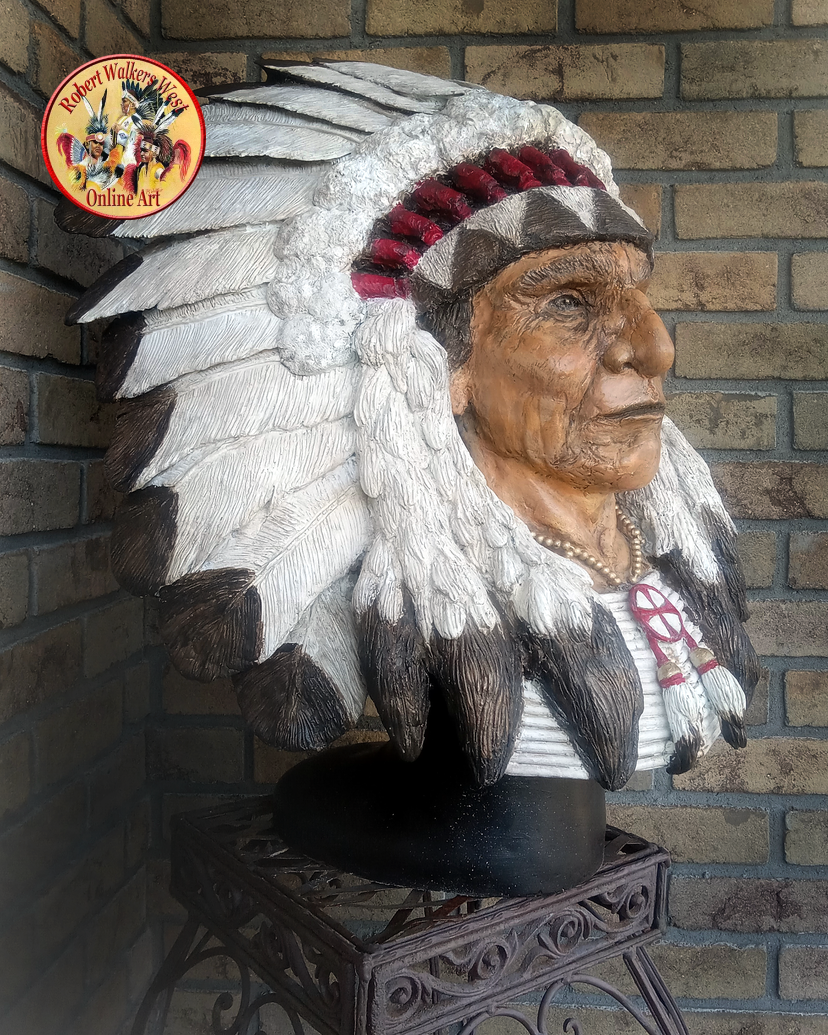
“Red Cloud” (Lakota Chief)

“The tribes of the Dakota before European contact in the 1600 lived in the region around Lake Superior. In this forest environment, they lived by hunting, fishing, and gathering wild rice. They also grew some corn, but their locale was near the limit of where corn could be grown.”
European expansion in the east pushed the Lakota west onto the Great Plains in the mid- to late-17th century.
This is when the Lakota began to domesticate the horse which was a major change to the way they defined themselves. They became more nomadic as they followed the great bison herds that roamed the Great plains
This sculpture is of a Lakota Chief, is made of polymer clays and the overall size is 23 X 16 X 16.
International Shipping: If you are outside the U.S., please contact us directly for a shipping quote.

1 in stock

Category:
Description

Description

“The tribes of the Dakota before European contact in the 1600 lived in the region around Lake Superior. In this forest environment, they lived by hunting, fishing, and gathering wild rice. They also grew some corn, but their locale was near the limit of where corn could be grown.”
European expansion in the east pushed the Lakota west onto the Great Plains in the mid- to late-17th century.
This is when the Lakota began to domesticate the horse which was a major change to the way they defined themselves. They became more nomadic as they followed the great bison herds that roamed the Great plains
This sculpture is of a Lakota Chief, is made of polymer clays and the overall size is 23 X 16 X 16.
Reviews (0)

Reviews

There are no reviews yet.

Be the first to review ““Red Cloud” (Lakota Chief)”

Your email address will not be published. Required fields are marked *

More Products

“To the Victor Go the Sorrels”

$550.00

“To the Victor Go the Sorrels”
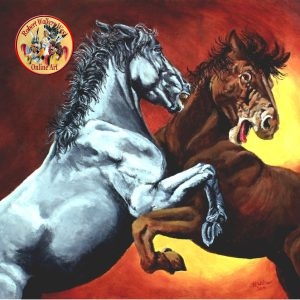
Each herd typically has a dominant stallion referred to as the “herd stallion” and a few other less dominant stallions. Interestingly, each herd is led not by the dominant stallion but by a dominant mare. This is similar to the way we humans do things.
This original acrylic painting by Robert Walker is on a 16X20 gallery-wrapped canvas.

“Robin Pair”

$125.00

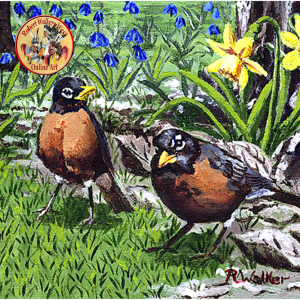
Robins
This is “Robin Pair”. It’s an original acrylic painting on an 8 X 10 canvas board, and is designed to fit any standard 8 X 10 frame. If you have a “Gallery Wall” in your home, this would be a great addition to it.

“Cart Wheels”

$950.00

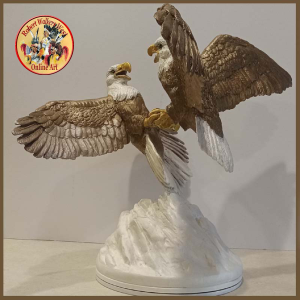
Scientists don’t know what characteristics bald eagles look for in potential mates or how the birds assess each other’s reproductive potential.
It’s known, however, that bald eagle pairs engage in a number of courtship rituals as they build their bond.
The most famous and recognizable of these rituals is the “cartwheel courtship flight,” in which two bald eagles will fly up high, lock talons and then get into a cartwheel spin as they fall toward the ground, breaking apart at the last minute.
This piece is sculpted in two-part epoxy, is approximately 18 inches tall, and its radius is 19 inches. It has a turntable built into it so that it can be rotated easily.

“Majestic Encounter: Cheyenne Warrior and Bison”

$1,500.00

Majestic Encounter: Cheyenne Warrior and Bison
Immerse yourself in the rich heritage and relentless spirit of the Great Plains with this stunning wall hanging sculpture. Capturing a pivotal moment in the life of the Cheyenne people, this piece features a valiant Cheyenne warrior astride a powerful horse, poised to bring down a mighty bison. The intricate details and dynamic composition vividly portray the warrior’s unwavering determination and skill as he hunts to secure vital provisions for the tribe’s winter sustenance. This artwork is not just a depiction of a hunt; it’s a tribute to the resilience, bravery, and timeless traditions of the Cheyenne Nation. A compelling addition to any collection, this sculpture invites you to witness the raw energy and profound connection between man, animal, and the land they both call home.
This is an original sculpture of a Cheyenne Warrior on horseback, about to bring down a running bison. The piece is done in two-part epoxy and is designed as a wall hanging.

“Big Horn” Original acrylic on an 8X10 canvas board

$125.00

Big Horn Sheep SKU-AN05
The bighorn sheep is a species of sheep native to North America. It is named for its large horns. A pair of horns might weigh up to 30 pounds, and the sheep typically weigh up to 315 lbs. The sheep originally crossed into North America over the Bering Land Bridge from Siberia. The population in North America peaks in the millions, and the bighorn sheep entered into the mythology of Native Americans.
The Sheep Eaters (named after their staple diet), or “Tukudeka”, lived high in mountain fastnesses favored also by the bighorn sheep they ate. They were a branch of the Shoshone. Both Indians and sheep found a precarious niche in rugged mountain country at higher altitudes.
Description:
It’s an original acrylic painting on an 8 X 10 canvas board and is designed to fit any standard 8 X 10 frame. If you have a “Gallery Wall” in your home, this would be a great addition to it.

“Ten Horse Team on the Overland Trail”

$950.00

Ten Horse Team on the Overland Trail
The Overland Trail (also known as the “Overland Stage Line”) was a stagecoach and wagon trail in the American West during the 19th century. While portions of the route had been used by explorers and trappers since the 1820s, the Overland Trail was most heavily used in the 1860s as an alternative route to the Oregon, California, and Utan trails through central Wyoming. The Overland Trail was famously used by the Overland Stage Company owned by Ben Holladay to run mail and passengers to Salt Lake City, Utah, via stagecoaches in the early 1860s. The stage line operated until 1869 when the completion of the First Transcontinental Railroad eliminated the need for mail service via stagecoach.
The original “Ten Horse Team” is an acrylic painting on a 2 X 4 foot canvas